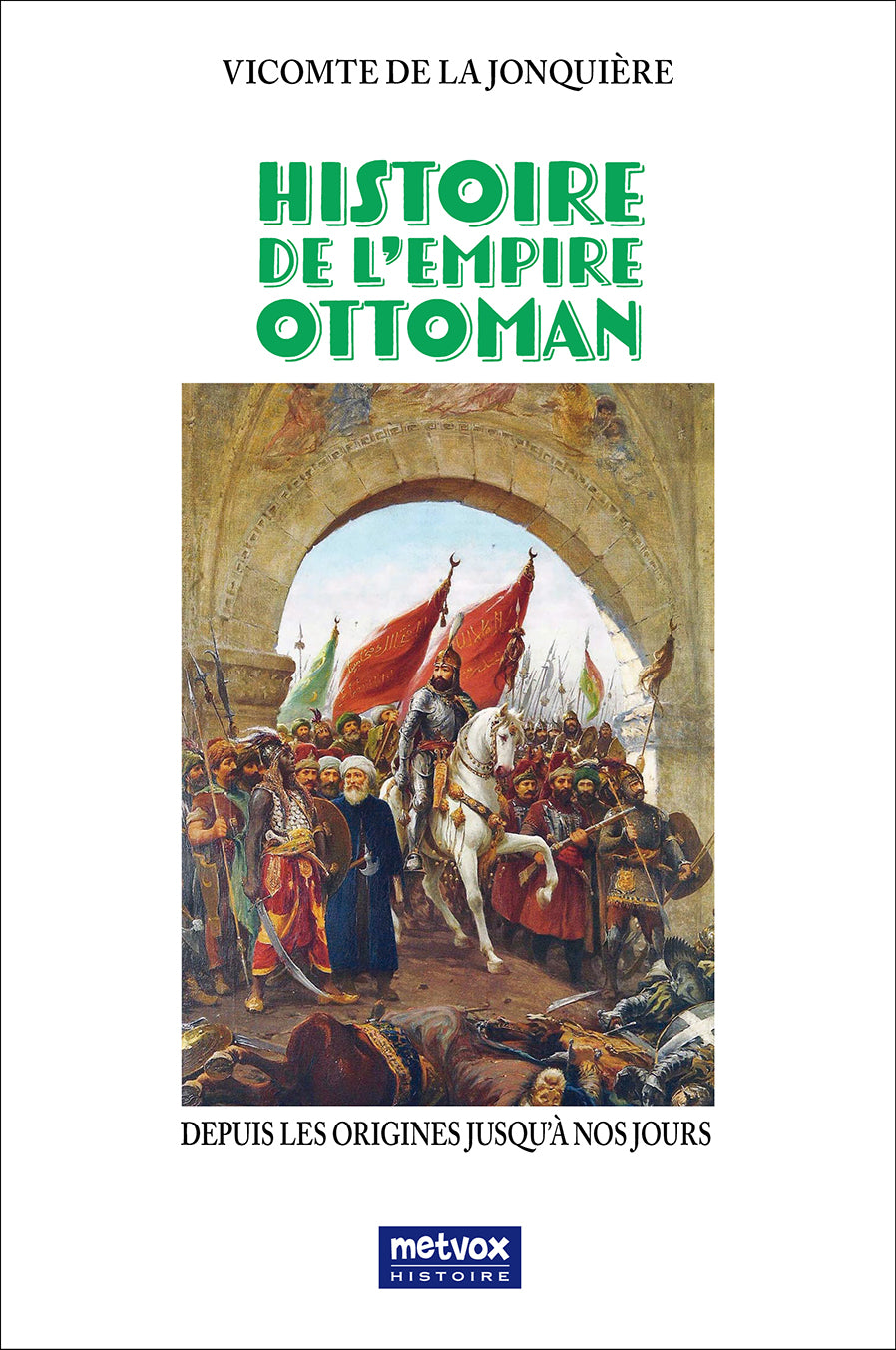
History of the Ottoman Empire
The Ottoman Empire, also known as the Turkish Empire, was founded in the 13th century by Osman I. It quickly grew to become one of the largest and most powerful empires in history, spanning much of Southeastern Europe, the Middle East, and North Africa.
During its six centuries of existence, the Ottoman Empire experienced periods of conquest, territorial expansion, and political, cultural, and economic dominance. It was also the center of the Islamic world for many years.
The empire reached its peak under the reign of Suleiman the Magnificent in the 16th century. However, over time, it suffered military defeats, internal revolts, and external pressures, which ultimately led to its decline.
In the 20th century, the Ottoman Empire collapsed following World War I, and its territory was divided by the Allied powers. The modern Turkish Republic emerged from the ashes of the empire in 1923, with Mustafa Kemal Atatürk as its first president.
Thus, the history of the Ottoman Empire is rich with significant events that deeply influenced the political, cultural, and social development of the region and left a lasting legacy in many countries that were part of this empire.